
The Bioblitz at Wehr:
Curious findings
Jeff Veglahn | August 2026
This last June, Wehr Nature Center was the host site to Milwaukee Public Museum’s Annual Bioblitz! During this 24-hour survey of all things, including mammals, birds, insects, plants, fungi and other living things, thousands of species were identified by scientists and others that participated in the BioBlitz.
In the world of botany, a couple notible observations happened. First, we observed Carex jamesii (James’ Sedge). This is a sedge that has been observed once before in Milwaukee County, and the first documented record for the Public Museum! Carex jamesii is a small stature sedge that grows in high quality woodlands. The trick with observing this sedge is the inflorescence, or flowers, are inconspicuous and hidden below the leaves. Generally speaking, if you can’t see the flowers of the sedge, you don’t take the time to identify it. I don’t believe this sedge is rare and super special to Wehr Nature Center, but I believe this sedge is lacking appropriate observations.
Second, Liparis loeselii (Fen Orchid) was found along Mallard Lake on the west side, what we typically call our Gentian Prairie (the wet prairie on the lakeside of the yellow trail)! Considering orchids are notorious for being difficult to propagate, and not available at native nurseries, this is more than likely a natural individual. What makes it even more curious is Fen Orchid, like its name, is found in habitats such as fens.
A couple months after the BioBlitz happened, I (Jeff) met with a local biologist at Wehr. During this meeting, we walked various plant communities and looked at plants and the structure of our restoration projects. On the walk, we walked through our woods, into our grasslands, and finished by Mallard Lake and our Gentian Prairie.
While walking through our Gentian Prairie, we made another peculiar observation, Carex interior (Inland Sedge). What makes this peculiar is that this sedge is typically ONLY found in fen habitat. We also observed Parnassia glauca (Grass-of-Parnassus) and Solidago riddellii (Reddell’s Goldenrod), two plants that are found in fens, but also other types of wetlands.
With the combination of finding two specific species, and two species found readily in fens, the biologist that I was with is convinced that what we have is a remnant fen! A fen is a type of wetland that consists of peat, decomposed plant material in under water-soaked conditions. Peat accumulates due to the rate that organic matter is produced (by plants) exceeds the rate the organic matter decomposes due to the soil being waterlogged, nearly year-round. Fens are unique because they receive a significant amount of their moisture from groundwater, instead of precipitation (this would be a bog).
View photos of these plants:
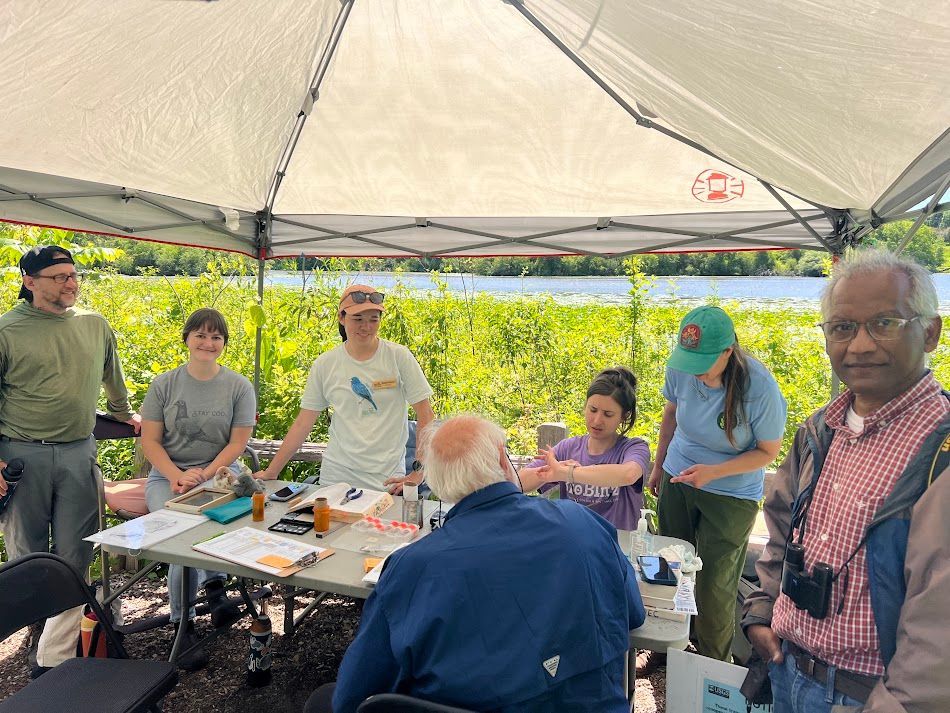
Bioblitz station, sophia detweiler, June 2026
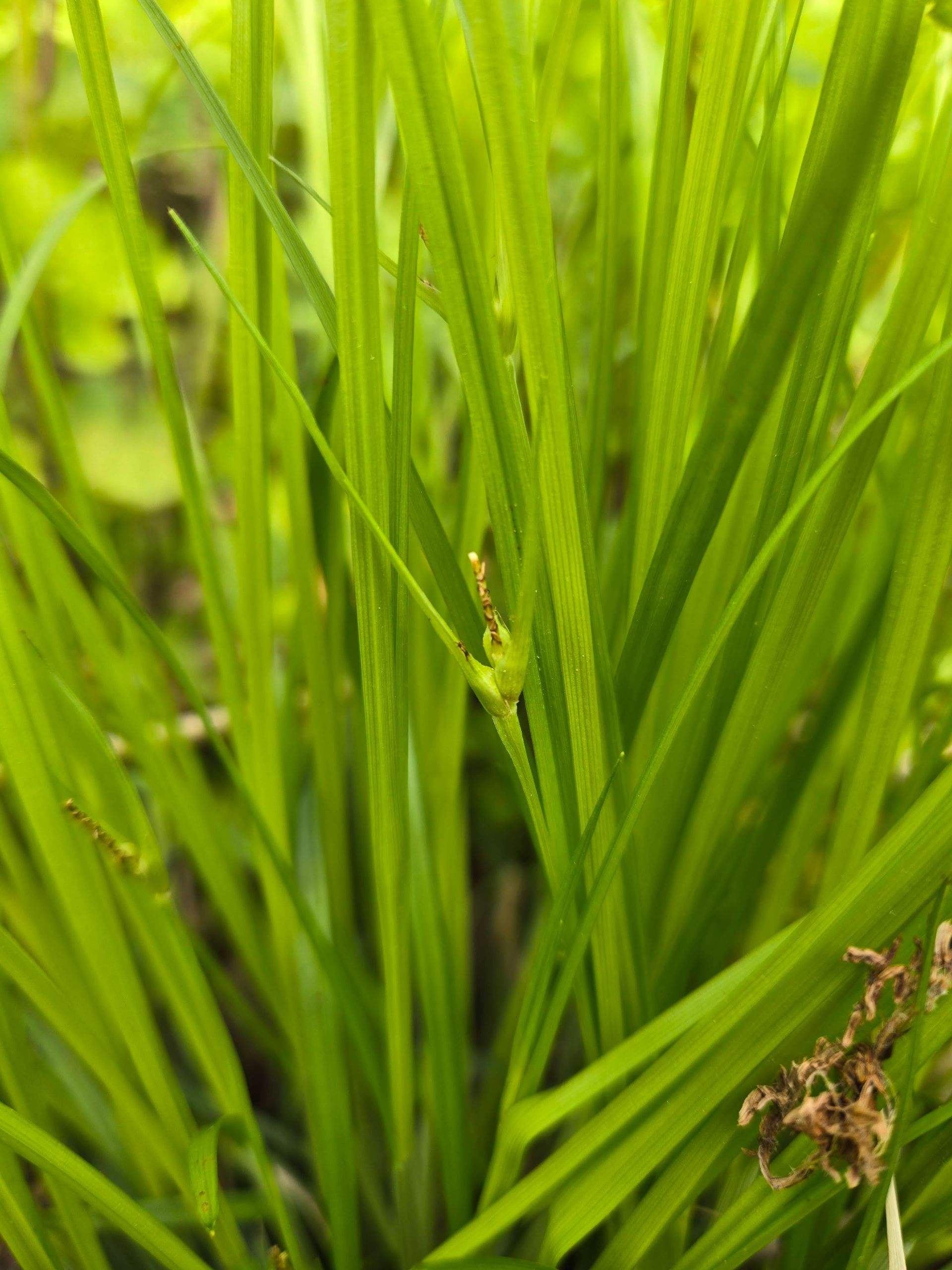
Carex jamesii, Jeff veglahn, june 2026
RECENT ARTICLES

Words from our Wehr Community - Former Staff

Words from our Wehr Community - Former Volunteers

Words from our Wehr Community - Visitors